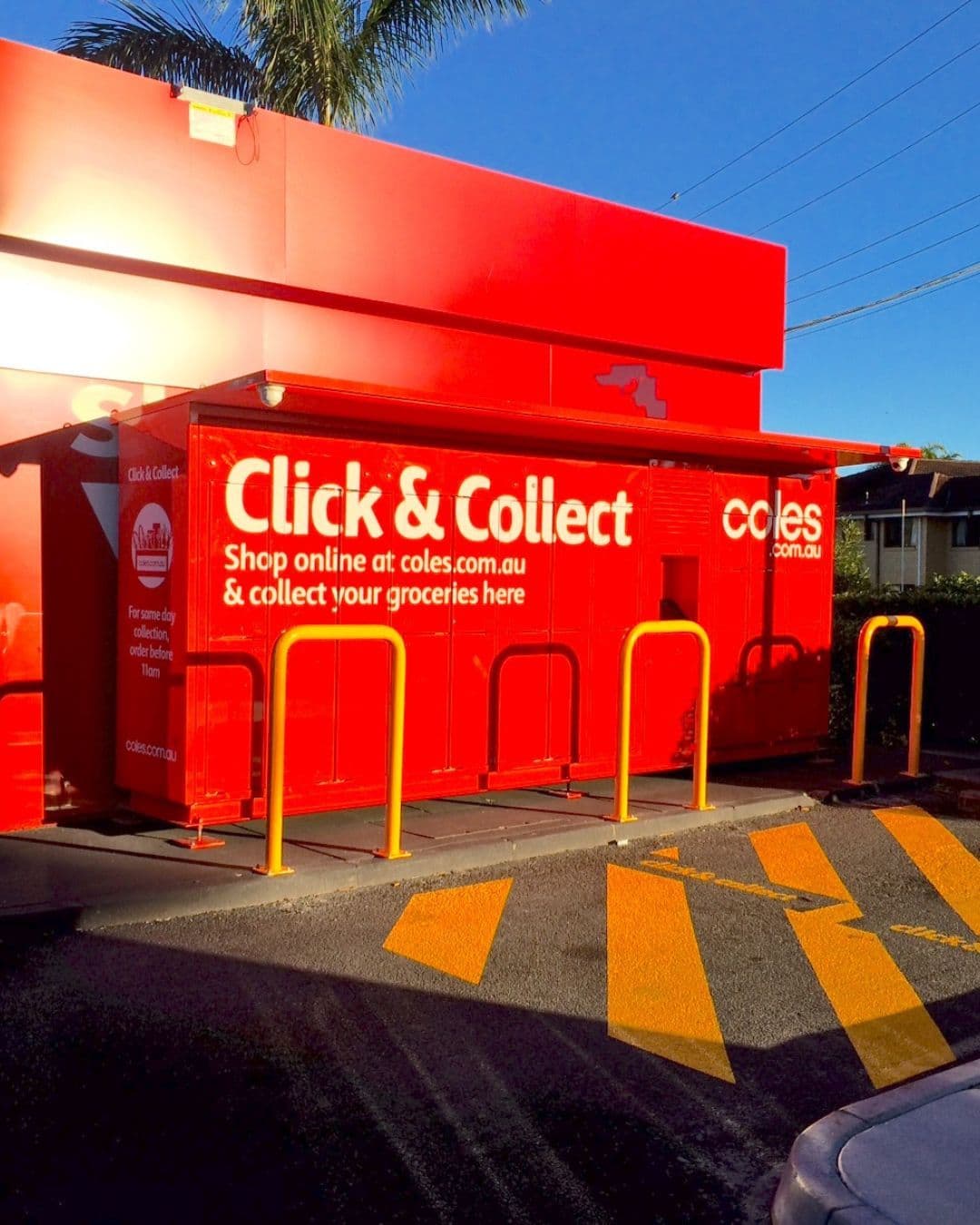
What Is PUDO? Pick-Up, Drop-Off Explained
PUDO means Pick-Up, Drop-Off — a shared network of collection points that replaces home delivery. Learn how PUDO works and why carriers use it.
Every missed delivery is a cost — a redelivery attempt, a frustrated customer, a parcel sitting in a depot. PUDO networks exist to solve that. Instead of a courier making a single door-to-door drop that may fail, parcels flow through a shared network of pickup and drop-off points that customers collect from on their own schedule. This guide explains what PUDO means, how PUDO locations work, and why carriers and retailers increasingly build their last-mile logistics around them.
What does PUDO stand for?
PUDO stands for Pick-Up, Drop-Off. It describes a delivery model where parcels are routed to a shared network of collection points rather than delivered directly to a recipient's door. A customer chooses a nearby PUDO point as their delivery destination, the carrier drops parcels there in bulk, and the customer collects at a time that suits them. The same points work in reverse: customers drop off returns or outbound parcels for the carrier to collect.
The term comes out of courier and last-mile logistics, where it's used to distinguish network-based delivery from traditional home delivery. A PUDO point can be a staffed retail counter, a convenience store acting as a collection agent, or an automated parcel locker. The common thread is that the point is shared — one location serves many recipients and, often, multiple carriers.
How PUDO locations work
A PUDO location is a fixed point in a delivery network where parcels are consolidated for collection and drop-off. Rather than a carrier planning an individual route to each recipient's address, the carrier delivers a batch of parcels to one location, and recipients come to that location to collect. This shifts the "last mile" from the carrier's van to a short trip the customer already makes — to the shops, the station, or their apartment lobby.
Types of PUDO points (lockers, retail counters, automated kiosks)
PUDO points come in several formats, and it's worth being clear that lockers are one option among several — not the whole category:
- Retail counters — a staffed desk at a convenience store, newsagent, or partner shop, where staff hand parcels over and accept drop-offs. Simple to set up, but dependent on staff availability and opening hours.
- Automated kiosks — self-service terminals that direct customers to their parcel or manage handover, often paired with back-of-house storage.
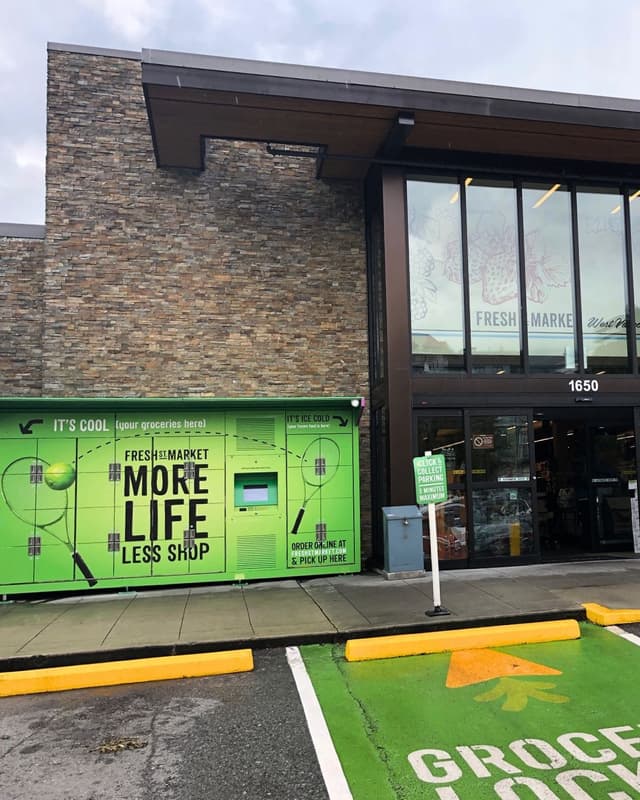
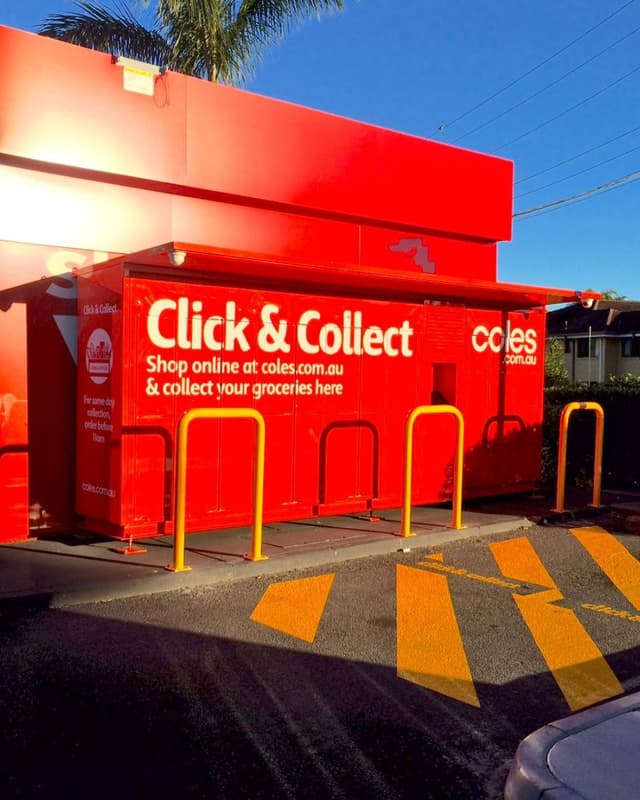
- Parcel lockers — banks of secure, individually accessed compartments that release a parcel when the recipient authenticates. These are the automated, self-service version of a PUDO point: available 24/7, no staff required, and secure by design.
Click n Collect's parcel lockers sit in this last category. They're the automated, secure form of a PUDO point — a way to run a collection location without tying it to a staffed counter or fixed opening hours.
The delivery and collection process
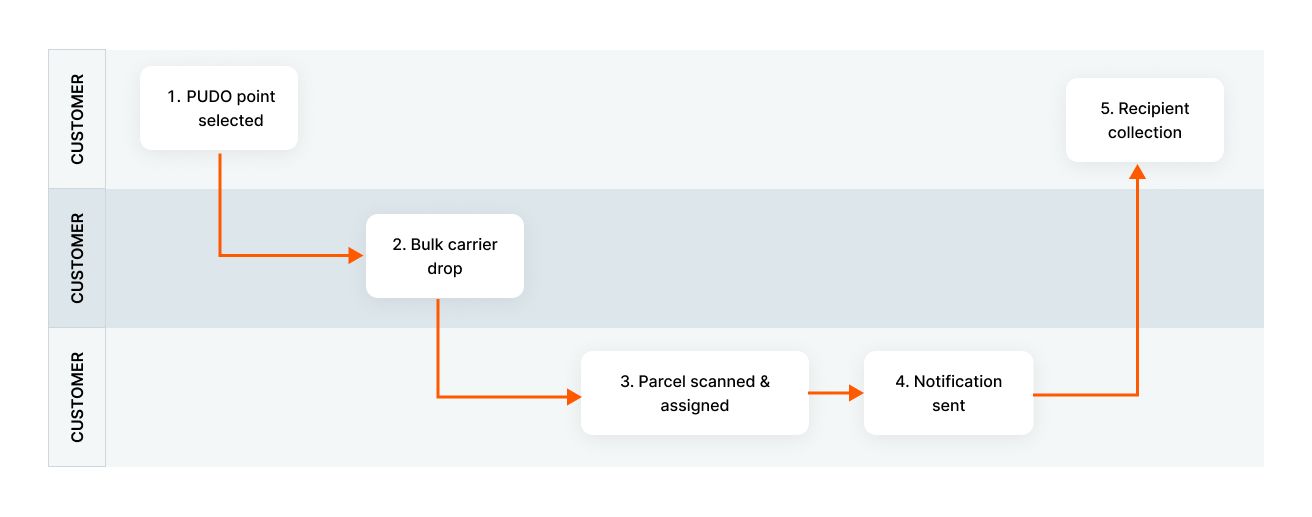
Across formats, the PUDO flow follows the same shape — a carrier drops a batch of parcels, each is assigned to its recipient, the recipient is notified, and they collect using a code or credential. With a staffed counter this involves manual handover; with a locker it's fully self-service. The automated locker version runs in five steps:
- PUDO point selected — the customer chooses a collection point as their delivery destination at checkout.
- Bulk carrier drop — the carrier delivers many parcels to the point in a single consolidated stop.
- Parcel scanned and assigned — each parcel is scanned into a compartment and matched to its recipient.
- Notification sent — the recipient is alerted with a collection code or QR credential.
- Recipient collection — the customer authenticates and retrieves the parcel on their own schedule.
The diagram below shows that flow with each step assigned to the party responsible for it.
Why carriers and retailers use PUDO networks
PUDO is fundamentally a network-and-scale story. The value grows with the number of points, the parcels flowing through them, and the reliability of each drop. Two benefits drive adoption above all others.
Reducing missed deliveries
A home delivery can fail for the simplest reasons — no one's in, there's nowhere safe to leave the parcel, the buzzer doesn't work. Each failure triggers a redelivery attempt, a card through the door, or a return to depot. A PUDO point removes that failure mode entirely: the parcel goes to an always-available location and waits securely until the recipient is ready. Parcel lockers make this especially reliable because they provide a secure, 24/7 collection point that doesn't depend on staff being present or a recipient being home.
Cutting last-mile delivery costs
The last mile is the most expensive segment of any delivery, precisely because it's the least efficient — one van, many addresses, many chances to fail. Consolidating drops to a single PUDO point turns dozens of individual stops into one bulk delivery. Fewer stops, fewer failed attempts, and no redelivery costs add up to a materially cheaper last mile. For carriers operating at scale, that efficiency is the entire case for building a PUDO network.
Click n Collect's lockers are built for exactly this kind of network deployment: they're in use across multiple countries, integrate with courier and logistics systems through APIs, and are designed to run reliably as unattended points in the field.
Benefits of PUDO for consumers
For the person receiving the parcel, PUDO trades a delivery they can't control for a collection they can:
- Collect on your own schedule — no waiting in for a delivery window. With a locker, that means genuine 24/7 access.
- No missed deliveries — the parcel is waiting when you get there, not sitting in a depot across town.
- Security — with locker-based PUDO points, individual compartment access and tamper-resistant construction mean the parcel is protected from drop-off through to collection, avoiding the "left on the doorstep" theft risk.
- Easy returns — the same point that delivers your parcel accepts your returns, so reverse logistics is a single stop rather than a trip to the post office.
PUDO vs home delivery vs smart lockers
It's easy to conflate these three, but they answer different questions:
- Home delivery is door-to-door: convenient when it works, expensive and failure-prone when it doesn't.
- PUDO is a delivery model — a network of shared collection points that replaces the door-to-door drop.
- Smart lockers are a technology — one of the formats a PUDO point can take, and the one that makes a PUDO point automated, secure, and available around the clock.
The relationship worth understanding is between PUDO and retailer-owned pickup models like BOPIS (Buy Online, Pick Up In-Store). Both end with a customer collecting rather than receiving a home delivery, but the network behind them is different:
- BOPIS is retailer-owned. A customer orders from one retailer, and that retailer fulfils and holds the order for pickup at its own store. The order, the location, and the collection all sit inside a single retailer's operation.
- PUDO is a shared carrier network. Parcels from many senders flow through common collection points operated independently of any one retailer. It's a logistics model first, built around courier drops rather than a single store's orders.
That difference shows up right in the software flow. A BOPIS pickup begins with one retailer's order and ends at that retailer's location. A PUDO flow begins with a bulk carrier drop — many parcels, many senders, one consolidated delivery to a shared point. If you're weighing which model fits your operation, the deciding question is usually ownership: do you want to run collection inside your own store estate (BOPIS), or plug into a shared network of points a carrier serves (PUDO)? For a fuller treatment of the retailer-owned side, see our companion guide, What Is BOPIS?

Streamline grocery pickups for everyone
Our smart lockers take pressure off your team and make order collection fast, contactless, and frustration-free—for every shopper, every time.
Discover solutionYour comprehensive retail locker solution
Discover fully customizable smart locker solutions that seamlessly integrate with your retail ecosystem for simplified, contactless user experiences.
Discover solution

Partnering for positive change
Click n Collect's food bank and community lockers are an effective solution for combating food insecurity and providing support to your neighbors in need.
Discover solution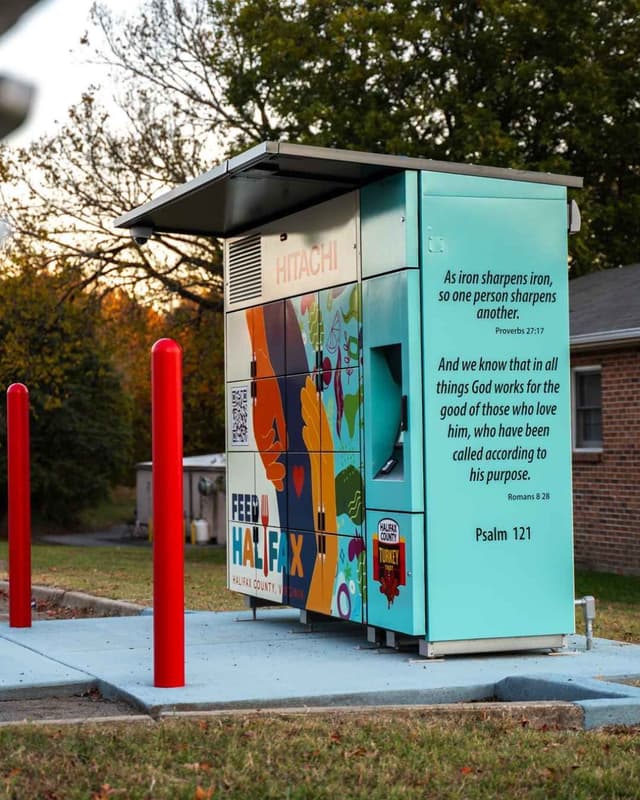
Interested in our solutions?
We're here to help you find the perfect solution for your organization. Share your details, and we'll be in touch shortly.

Click n Collect provides 24/7 global support, ensuring we're always there when our clients need us.
Customer support