What Is Curbside Pickup? How It Works & Why It's Popular
Curbside pickup lets customers collect online orders without leaving the car. Learn how it works, why it's popular, and how smart lockers can improve it.
What Is Curbside Pickup? How It Works & Why It's Popular
Curbside pickup lets customers collect online orders without leaving the car. Learn how it works, why it's popular, and how smart lockers can improve it.
Curbside pickup is a service that lets customers order online, drive to the store, and have their purchase brought out to their vehicle, without ever leaving the car or setting foot inside. On arrival, a staff member:
- Carries the order to a designated spot in the car park
- Confirms the customer's identity or order number
- Hands it over at the car window or loads it into the boot
Curbside pickup is one form of BOPIS (buy online, pick up in store). Where in-store BOPIS asks the customer to come inside to a collection counter, curbside keeps the entire handover at the kerb. That car-side handoff is the defining feature: the order is fulfilled the same way, but the last few metres are covered by a staff member instead of the shopper.
The format took off during periods when shoppers wanted to minimise time indoors, and it has stuck around because it removes a genuine friction point - parking, walking in, queuing at a counter - from an otherwise routine errand.
How curbside pickup works
Curbside pickup follows a predictable two-part flow: the customer places and confirms the order online, then completes the handover on arrival.
Placing and confirming the order
The customer browses the retailer's website or app, adds items to their cart, and selects curbside pickup at checkout instead of delivery or in-store collection. They choose a store location and, in most cases, a pickup window.
The retailer's team receives the order, picks the items, and stages them for collection. Once the order is ready, the customer gets a notification - usually an email or text - telling them it's available and explaining what to do on arrival. That message typically includes:
- The pickup location
- The designated parking bays
- Any details the customer needs to check in
The pickup process, step by step
When the customer arrives, the handover generally runs like this:
- The customer drives to the store and parks in a marked curbside pickup bay.
- They check in - by tapping a link in their notification, replying to a text, calling a posted number, or entering a bay number in the app - so staff know they've arrived.
- A staff member is alerted and brings the staged order out to the vehicle.
- The customer confirms their name or order number, and the staff member verifies it against the order.
- The order is handed through the window or loaded into the boot, and the customer drives off.
The whole process is designed to take just a few minutes once the customer arrives, assuming staff are free to run the order out promptly.
Curbside pickup vs in-store pickup vs delivery
Curbside sits between two more familiar options, and it helps to see where it fits.
- In-store pickup asks the customer to park, walk in, and collect from a counter or locker inside. It's reliable but still requires going indoors and, often, queuing.
- Curbside pickup keeps the customer in the car and brings the order to them. It's faster to get in and out, but depends on a staff member being available to make the trip to the vehicle.
- Delivery brings the order all the way to the customer's door, with no trip required - but usually costs more, takes longer, and hands control of timing to a courier.
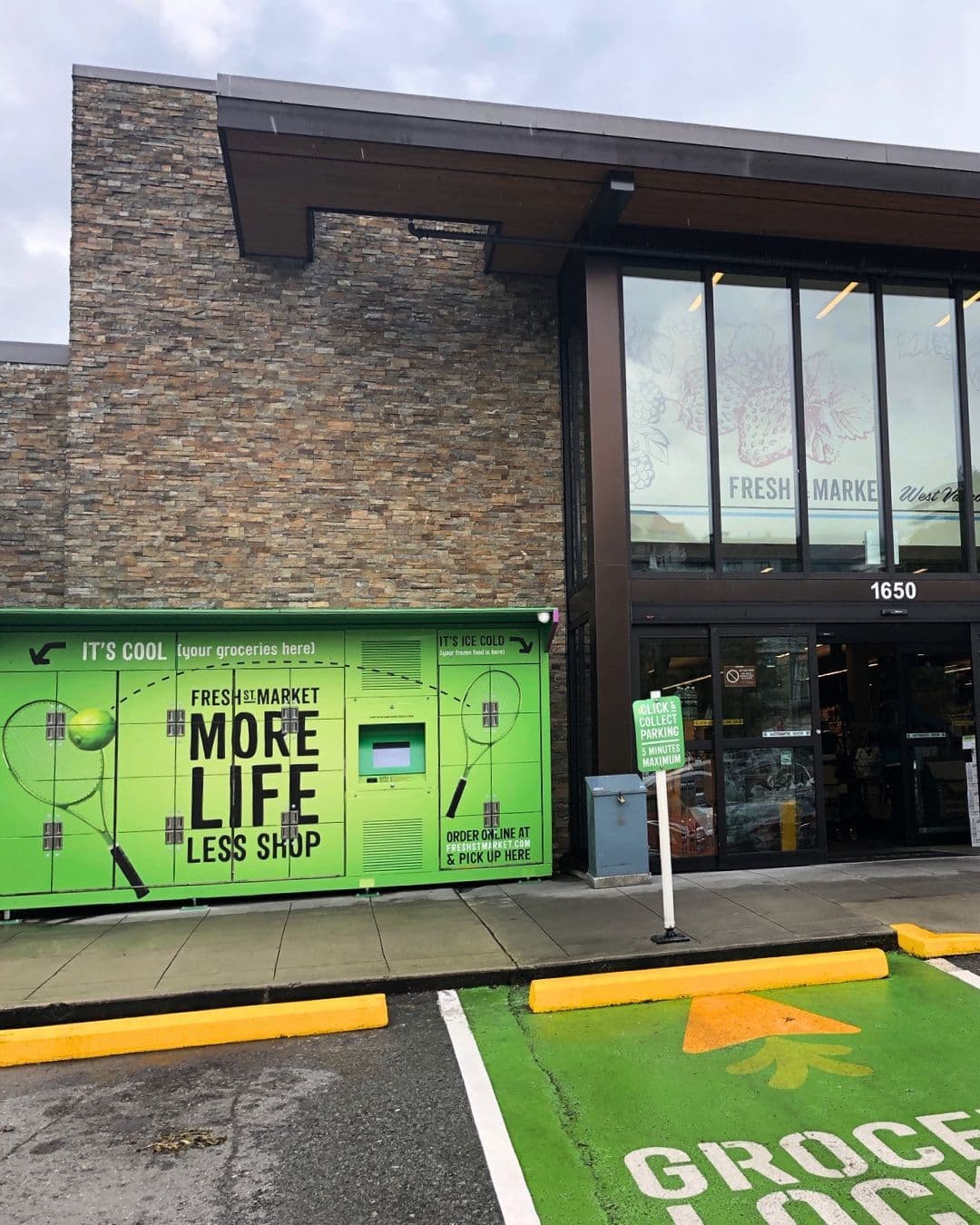
Curbside's appeal is that it captures much of delivery's convenience without the delivery cost or wait, while avoiding the indoor trip that in-store pickup still requires. If curbside isn't ideal for a given store or shopper, a parcel locker is another contactless BOPIS option - the customer collects from a secure, automated compartment on their own schedule rather than waiting for a staff handoff.
Why customers love curbside pickup
Curbside has earned genuine loyalty from shoppers, and it's worth understanding why before looking at where it falls short.
Convenience and time savings
The biggest draw is time. A curbside run means no hunting for a park close to the entrance, no walking the aisles, and no waiting in a checkout queue. For a parent with children in the car, someone on a lunch break, or anyone doing a quick errand between other commitments, staying in the vehicle turns a twenty-minute stop into a two-minute one. The shopping itself is done in advance, from the couch, so the trip is reduced to a single collection.
Contactless, low-contact shopping
Curbside also limits face-to-face contact. The customer never enters the store, browses a crowded aisle, or stands in a queue. For people who are unwell, immunocompromised, or simply prefer to keep interactions brief, that low-contact handover is a real benefit. It's not fully contactless - there's still a staff member at the window - but it's a much lighter touch than a full in-store visit.
Why retailers offer curbside pickup
The appeal isn't one-sided. Retailers have solid commercial reasons to run a curbside program.
Reduced cart abandonment
Offering a fast, low-cost collection option at checkout gives hesitant shoppers a reason to complete the purchase. Customers who balk at delivery fees or delivery timeframes will often happily choose free curbside pickup instead, which keeps the sale from being abandoned. It also brings shoppers to the store, where they may add to their order or return for future trips.
Competitive advantage over delivery-only retailers
Curbside lets a physical retailer offer something a delivery-only competitor can't: near-instant collection. A shopper who needs an item today can order it in the morning and collect it that afternoon, with no shipping wait. That immediacy turns the store's physical footprint into an asset rather than an overhead, and it's a meaningful edge over online-only rivals.
Common curbside pickup challenges (and how to solve them)
For all its appeal, curbside carries real operational friction - most of it stemming from the fact that a staff member has to physically run each order to a car.
- Staffing. Every curbside order requires a person to receive the alert, collect the staged order, and walk or drive it out to the vehicle. During busy periods, pulling staff away to run orders leaves fewer hands on the floor, and pickups slow down for everyone.
- Weather exposure. Staff make the trip to the car in whatever conditions the day brings - rain, heat, cold. It's uncomfortable for employees and can leave customers waiting longer when the weather makes the handoff harder.
- Wait times during a rush. When several customers arrive at once, they queue for the next free staff member. The two-minute promise stretches, and the convenience that drew the customer erodes.
- Missed or mistimed handoffs. If a customer arrives outside staffed hours, checks in and isn't noticed, or the wrong order goes to the wrong car, the handover breaks down and the experience sours.
Most of these challenges trace back to the same root: curbside depends on a staffed, real-time handover. Solving them usually means removing the staff dependency from the collection step itself - which is where automated pickup comes in.
How smart lockers can support curbside and BOPIS programs
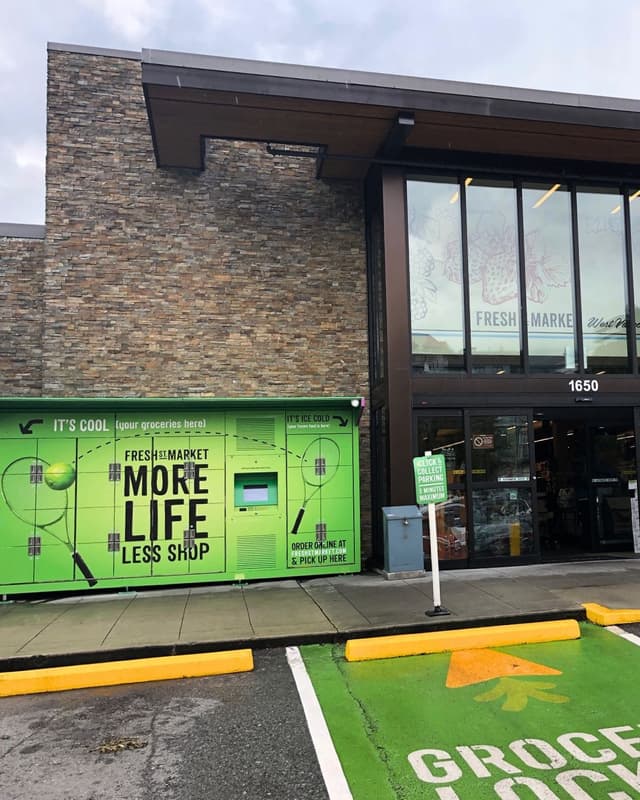
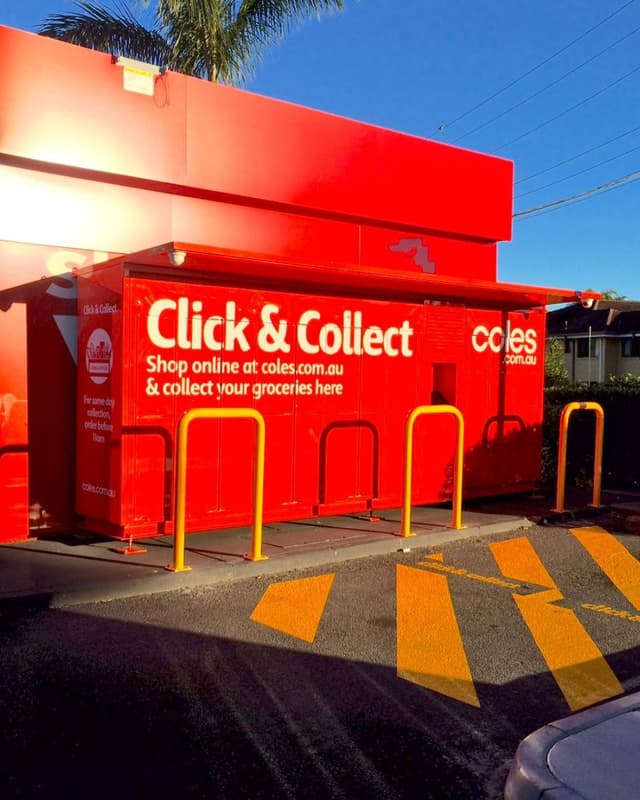
Smart lockers offer an automated alternative to the staffed curbside handover, and they resolve curbside's friction points directly. Instead of a staff member running each order to a car, staff load ready orders into secure locker compartments once, and customers collect on their own using a code or app - no car-side trip required.
Set against curbside's manual flow, the difference is clear:
- No staff needed to run orders out to cars. Orders are loaded into lockers in batches; collection is self-service, so staff stay on the floor.
- No weather exposure. Neither staff nor customers wait in the elements for a handoff - the customer walks straight to the locker and back.
- No waiting during a rush. Multiple customers can collect at once, in parallel, because there's no queue for a single free staff member.
- Contactless and private. Collection happens through a secure compartment rather than a car-window exchange, with no staff interaction required.
- 24/7 availability. Lockers can be accessed outside staffed operating hours, so pickup isn't tied to when the store is manned.
The two flows sit side by side neatly:
Curbside flow
- Order placed
- Staff notified
- Staff walk or drive the order to the car
- Customer verifies and takes it
Automated locker BOPIS flow
- Order placed
- Staff load it into a locker
- Customer receives a pickup code
- Customer opens the locker and collects - no staff needed at handover
For retailers already running curbside or a broader BOPIS program, parcel lockers can complement the service - covering after-hours pickups, easing pressure during rushes, and giving customers a fully contactless option. And for teams weighing whether to go fully automated, a smart locker turns collection into a self-service step that runs regardless of staffing, weather, or operating hours.
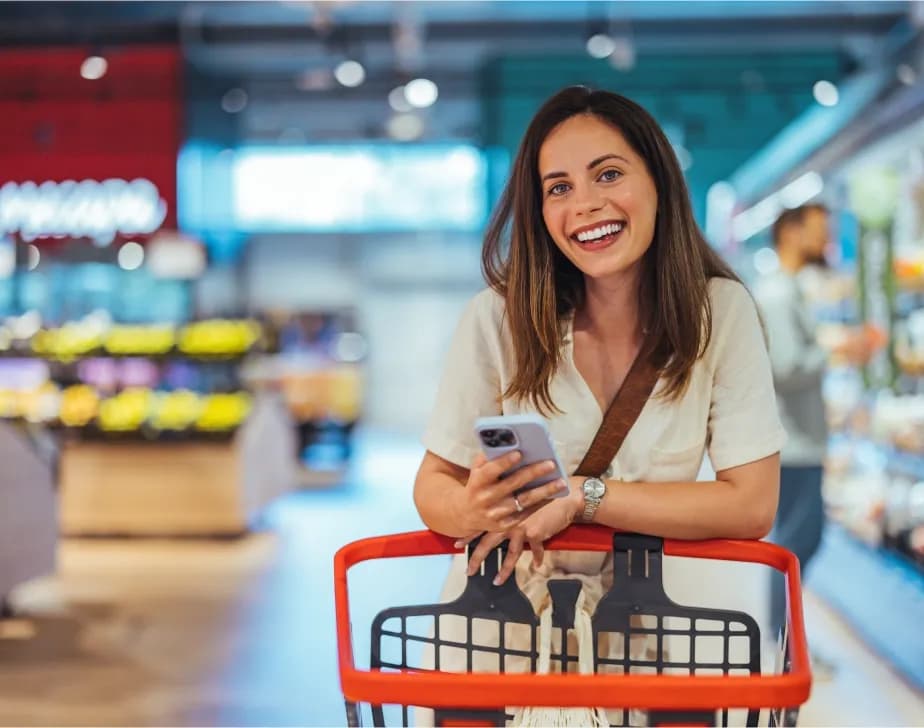
Streamline grocery pickups for everyone
Our smart lockers take pressure off your team and make order collection fast, contactless, and frustration-free—for every shopper, every time.
Discover solutionYour comprehensive retail locker solution
Discover fully customizable smart locker solutions that seamlessly integrate with your retail ecosystem for simplified, contactless user experiences.
Discover solution

Partnering for positive change
Click n Collect's food bank and community lockers are an effective solution for combating food insecurity and providing support to your neighbors in need.
Discover solution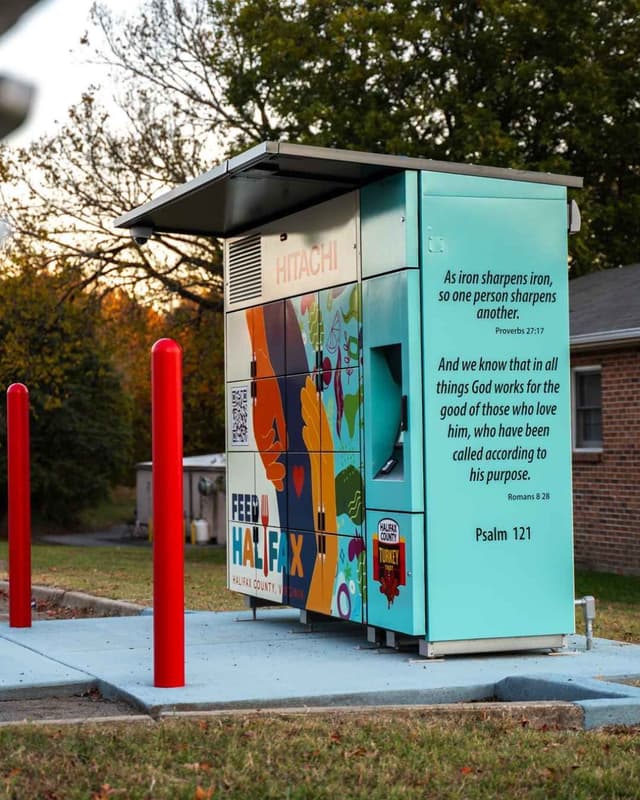
Interested in our solutions?
We're here to help you find the perfect solution for your organization. Share your details, and we'll be in touch shortly.

Click n Collect provides 24/7 global support, ensuring we're always there when our clients need us.
Customer support