What Is a Parcel Locker? How They Work & Why It Matters
What is a parcel locker? Learn how parcel lockers work, the main types, why businesses use them, and how to choose the right self-service locker system.
What Is a Parcel Locker? How They Work & Why It Matters
What is a parcel locker? Learn how parcel lockers work, the main types, why businesses use them, and how to choose the right self-service locker system.
A parcel locker is a bank of secure, individually locked compartments that let people drop off and collect packages on their own, without a staff handover. If you've ever picked up an online order from a wall of metal doors using a code on your phone, you've used one.
This guide explains exactly what a parcel locker is, how the hardware and process work, the main types available, why businesses across retail, residential, and campus settings rely on them, and how to choose the right system for your site.
What is a parcel locker?
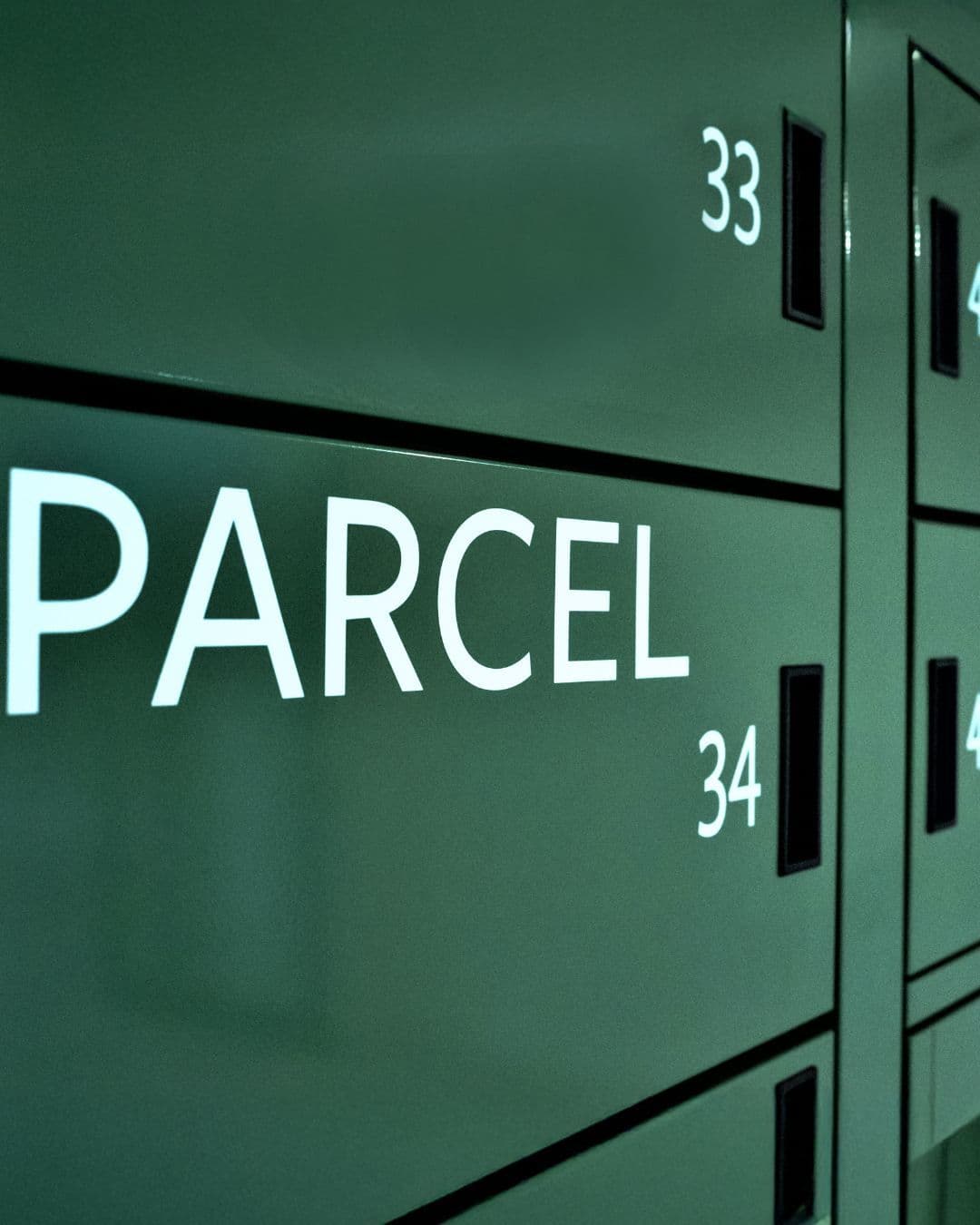
A parcel locker is a physical storage unit made up of separate, individually locked compartments, each opened by a unique credential such as a PIN, QR code, RFID card, or biometric scan. A courier or staff member places a package inside one compartment and assigns it to a recipient; the recipient is notified and later opens that single compartment to collect it. No one else can access their parcel, and no staff member needs to be present at the moment of pickup.
That combination - secure, self-service, and available around the clock - is what separates a parcel locker from a shelf, a mailroom counter, or a general storage cupboard. Every parcel gets its own locked space, and access is controlled and logged electronically.
Parcel lockers are the hardware layer underneath a lot of the pickup experiences people now take for granted. They are one specific type of smart locker - the broader category of app-connected, electronically managed lockers - and they're the format most often used to automate order collection, carrier drop-offs, and returns.
At a hardware level, modern parcel lockers share a common set of traits:
- Durable construction - built from galvanized steel and rated for both indoor and outdoor installation, so they withstand heavy daily use and the weather.
- Modular and scalable - start with a single bay and expand to dozens or hundreds of compartments as demand grows.
- Flexible access - opened by PIN, QR code, RFID, or biometrics, matched to your users and use case.
- Electronically controlled - every access is authenticated and logged, giving a clear record of who collected what and when.
How do parcel lockers work?
At their simplest, parcel lockers run on a three-step loop that repeats for every package: a parcel is assigned to a compartment, the recipient is notified with a unique code, and the recipient collects it by entering that code. Here's how that plays out on each side.
For the sender or carrier
The person depositing the parcel - a courier, a retail staff member fulfilling an online order, or a mailroom operator - places the item into an available compartment and assigns it to the intended recipient through the locker's software. Many systems support rear-loading, where staff load parcels from inside the building or the back of the unit while customers collect from the front. That keeps fulfilment separate from pickup and lets the storefront stay open for 24/7 collection.
Because the software connects to courier platforms, point-of-sale, or internal order systems through APIs, the assignment step can be largely automated: scan the parcel, and the system allocates a compartment and triggers the notification.
For the recipient
Once a parcel is assigned, the recipient receives a notification - usually an SMS or email - containing a one-time access credential. They go to the locker whenever it suits them, enter their PIN or scan their QR code, and the correct compartment pops open. Collection takes seconds, there's no queue, and there's no need for a staff member to find the order or check ID for a standard pickup.
The same mechanism works in reverse for returns: the customer requests a return, receives a code, and drops the item into a compartment for the carrier to collect later.
Types of parcel lockers
Not all parcel lockers are the same. They vary along three main axes - where they're installed, how they're controlled, and what conditions they maintain inside.
Indoor vs outdoor lockers
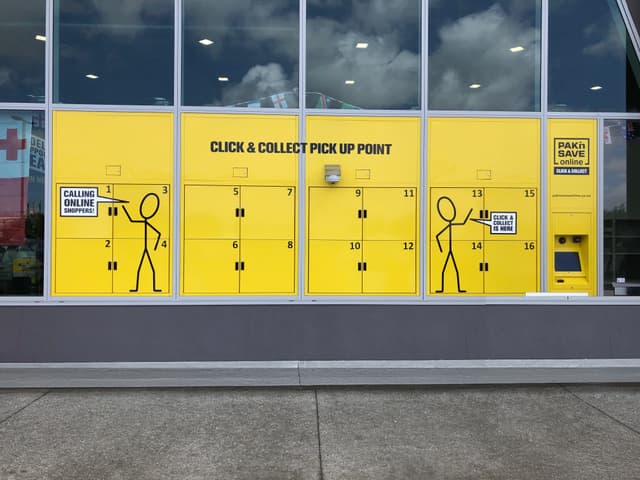
Indoor lockers sit in lobbies, retail floors, mailrooms, and campus buildings, where they're protected from the elements and often prioritize a compact footprint. Outdoor lockers are weather-sealed and built from corrosion-resistant materials so they can be installed in car parks, storefront exteriors, and public spaces for genuine 24/7 access without opening the building. Many systems offer both, so a single deployment can span an indoor lobby and an outdoor forecourt.
Smart (app-connected) vs manual lockers
Manual lockers rely on a fixed key or a mechanical combination and have no digital layer - cheap, but limited, with no remote visibility and no automated notifications. Smart parcel lockers are network-connected: they generate one-time access codes, send notifications automatically, log every access event, and let operators monitor status remotely. Smart units also integrate with other systems and support features like power fail-safe battery backup, which keeps the locker running through an outage so parcels aren't stranded.
Refrigerated and climate-controlled lockers
Some parcel lockers include temperature control for goods that can't sit at ambient. Refrigerated and freezer lockers keep chilled and frozen groceries or medical items at safe temperatures until collection, while controlled-ambient units hold a steady temperature for temperature-sensitive but non-refrigerated goods. This is what makes locker-based collection viable for grocery, meal kits, and pharmacy.
Why businesses use parcel lockers
Parcel lockers solve a shared problem across very different settings: how to hand over goods securely and around the clock without tying up staff.
Multifamily and residential buildings
Apartment blocks and residential complexes face rising delivery volumes and the theft and liability headaches that come with packages left in lobbies. Parcel lockers give residents secure, 24/7 access to their deliveries and free building staff from managing a pile of packages. This is also where the difference between a locker and open shelving matters most: a parcel locker gives each resident an individually locked compartment, whereas a package room is typically a shared space with open shelving - worth comparing if you're weighing the two for a building.
Retail and convenience locations
For retailers, parcel lockers automate order collection and take pressure off staff during busy periods. They're the hardware behind automated BOPIS (buy online, pick up in-store) programs: an order is fulfilled to a locker, the customer collects it with a code, and the checkout queue never enters the picture. Lockers also handle returns, reducing the staff time spent processing reverse logistics.
Universities and campuses
Campuses move huge volumes of student mail and parcels through central mailrooms. Lockers let students collect at any hour between classes, cut mailroom staffing pressure, and provide a clear, logged chain of custody for every item - useful on sites where thousands of parcels arrive each week.
Benefits of parcel lockers
Reduced package theft
Because each parcel sits in its own locked, tamper-resistant compartment and can only be opened with the assigned credential, parcel lockers largely eliminate the "left on the doorstep" problem. The parcel is secured from the moment it's deposited until the right person collects it, and every access is authenticated and recorded.
24/7 self-service pickup
A parcel locker is always open. Recipients collect on their own schedule - early morning, late at night, weekends - without depending on staff hours or a front desk. That convenience is the single biggest reason locker collection has spread so quickly, and it's why lockers also cut failed deliveries: there's a secure, always-available point to leave the parcel instead of a missed doorstep and a costly redelivery.
Parcel lockers are also the most common format used in PUDO (pick-up, drop-off) networks, where carriers consolidate deliveries to shared collection points instead of attempting individual home drops.
How to choose the right parcel locker system
Once you've decided a parcel locker fits your site, a few practical factors separate a good deployment from a frustrating one:
- Access methods - flexible options (PIN, QR, RFID, and biometric) so you can match the credential to your users, including secure age verification for restricted items like alcohol and tobacco.
- Indoor/outdoor rating and construction - confirm the unit is rated for where you'll install it and built from durable, weather-appropriate materials.
- Temperature control - for groceries, meal kits, or pharmacy items, you'll need refrigerated, freezer, or controlled-ambient compartments.
- Modularity - choose a system you can expand from one bay to many as volume grows, rather than one you'll outgrow.
- Software and integration - real-time monitoring, automated notifications, and API integration with your POS, ERP, or courier systems turn a locker from a metal box into an operational tool.
- Power fail-safe - battery backup with outage alerts keeps the locker running, and parcels accessible, through power interruptions.
- Certifications - check for the standards relevant to your market, such as ADA accessibility, DOE energy efficiency, NSF sanitation, and UL/CE/UKCA safety compliance.
How parcel lockers compare to other pickup formats
Parcel lockers are the hardware; the way they're used changes with the setting. Here's how the locker sits alongside the pickup and storage formats it's often confused with.
| Format | Storage | Access method | Staff at handover? | Availability |
|---|---|---|---|---|
| Parcel locker | Individually locked compartments | PIN / QR / RFID / biometric | No | 24/7 |
| Smart locker | Locked compartments (broader category) | PIN / QR / App-connected credential | No | 24/7 |
| Package room | Open shared shelving | Room entry code | No | Building access hours |
| BOPIS (counter) | Behind a staffed desk | Staff handover | Yes | Staffed hours |
| PUDO point | Shared carrier compartments | PIN / QR | Sometimes | Access-window hours |
Ready to look at parcel lockers?
If secure, self-service pickup is the goal, a parcel locker is the hardware that delivers it. Click n Collect builds the lockers, software, and monitoring as one system - see the parcel lockers that power self-service pickup, or explore how they fit retail, grocery, and pharmacy operations.
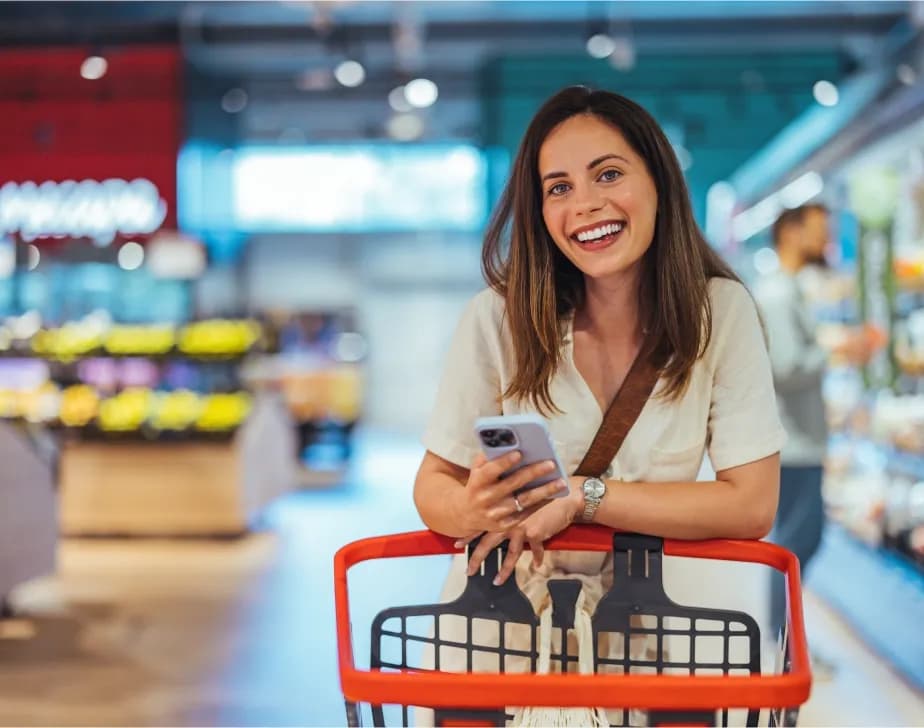
Streamline grocery pickups for everyone
Our smart lockers take pressure off your team and make order collection fast, contactless, and frustration-free—for every shopper, every time.
Discover solutionYour comprehensive retail locker solution
Discover fully customizable smart locker solutions that seamlessly integrate with your retail ecosystem for simplified, contactless user experiences.
Discover solution

Partnering for positive change
Click n Collect's food bank and community lockers are an effective solution for combating food insecurity and providing support to your neighbors in need.
Discover solution
Interested in our solutions?
We're here to help you find the perfect solution for your organization. Share your details, and we'll be in touch shortly.

Click n Collect provides 24/7 global support, ensuring we're always there when our clients need us.
Customer support